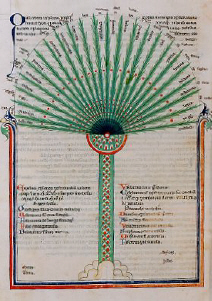
138A-139D — INSANIDADE
Victor Cousin
(138a) SOCRATE.
Alcibiade, vas-tu dans ce temple pour y prier ?
ALCIBIADE.
Oui Socrate, c’est mon dessein.
Aussi tu me parais bien rêveur, et je te vois les yeux attachés à terre, comme un homme qui réfléchit profondément.
ALCIBIADE.
Et a-t-on donc besoin de réflexions si profondes, Socrate?
Les plus profondes, Alcibiade, ce me (138b) semble. Car, au nom de Jupiter, ne penses-tu pas que lorsque nous adressons nos prières aux dieux, soit en public, soit en particulier, les dieux nous accordent certaines choses et nous en refusent d’autres ? que tantôt ils exaucent, et tantôt ils rejettent nos vœux ?
ALCIBIADE.
Certainement.
Eh bien ! alors ne te semble-t-il pas que la prière exige beaucoup d’attention, de peur que, sans qu’on s’en aperçoive, on ne demande aux dieux de grands maux, en croyant leur demander de grands biens, et que les dieux ne se trouvent dans la disposition d’accorder ce qu’on leur demande ; comme Œdipe (138c) qui, dans un accès de colère, demanda aux dieux, à ce qu’on dit, que ses enfants décidassent leurs droits par l’épée. Et tandis qu’il pouvait prier les dieux d’éloigner de lui les maux dont il était accablé, il s’en attira de nouveaux ; car ses vœux furent exaucés, et de là cette longue suite de malheurs épouvantables, qu’il n’est pas nécessaire de te conter ici en détail(444).
ALCIBIADE.
Mais, Socrate, tu me parles-là d'un homme en délire : car peux-tu croire qu'un homme dans son bon sens eût pu faire de telles prières ?
Être en délire te paraît opposé à être dans son bon sens ?
ALCIBIADE.
Assurément.
(138d) SOCRATE.
Ne trouves-tu pas qu'il y a des hommes sensés et d'autres qui ne le sont pas ?
ALCIBIADE.
Et bien ?
Voyons, tâchons de les bien reconnaître. Il est convenu qu'il y a des hommes sensés et d'autres qui ne le sont pas, et d'autres encore qui sont en délire ?
ALCIBIADE.
Oui, cela est convenu.
N'y a-t-il pas des gens sains ?
ALCIBIADE.
Oui.
Et d'autres, malades?
(139a) ALCIBIADE.
Sans doute.
Ce ne sont pas les mêmes ?
ALCIBIADE.
Non, certes.
Y en a-t-il qui ne soient ni malades ni sains ?
ALCIBIADE.
Non pas, que je sache.
Car il faut qu'un homme soit sain ou malade.
ALCIBIADE.
A ce qu'il me semble.
Mais quoi ! du bon sens et de son contraire, en est-il de même, à ton avis ?
ALCIBIADE.
Comment dis-tu ?
Je te demande s'il te paraît nécessaire qu'un homme soit sensé ou insensé, ou s'il y a un certain milieu qui permette de n'être (139b) ni l'un ni l'autre ?
ALCIBIADE.
Non, il n'y a point de milieu.
Il faut donc nécessairement qu'on soit l'un ou l'autre ?
ALCIBIADE.
Je le trouve ainsi.
Ne te souvient-il pas que tu es convenu que le délire est opposé au bon sens ?
ALCIBIADE.
Je m'en souviens très bien.
Et aussi qu'il n'y a pas de milieu qui permette de n'être ni sensé ni insensé ?
ALCIBIADE.
Oui, j'en suis convenu.
Mais se peut-il qu'une même chose ait deux contraires qui lui soient opposés ?
ALCIBIADE.
Nullement.
(139c) SOCRATE.
Ne pas être dans son bon sens, et être en délire, ont donc bien l'air d'être une seule et même chose ?
ALCIBIADE.
Il paraît bien.
Quand donc nous dirons que tous ceux qui ne sont pas dans leur bon sens sont en délire, nous dirons bien. Sans aller plus loin, nous le dirons des hommes de ton âge, s'il y en a qui ne soient pas dans leur bon sens, comme il y en a sans doute, et dans un âge plus avancé ; car, je te prie, ne trouves-tu pas que dans cette ville les hommes sensés sont fort rares, et que le grand nombre n'a pas de sens, c'est-à-dire, selon toi, qu'il est en délire ?
ALCIBIADE.
Sans difficulté.
Mais penses-tu que nous fussions bien en sûreté au milieu de tant de (139d) furieux, et que nous n'eussions pas déjà porté la peine de ce voisinage, reçu des coups, et essuyé toutes les insultes qu'on doit attendre de pareils hommes ? Prends donc garde, mon cher, que la chose ne soit autrement que tu ne dis.
ALCIBIADE.
Comment est-elle donc ? car je pourrais bien m'être trompé.
Benjamin Jowett
(138a) Socrates : Alcibiades, are you on your way to offer a prayer to the god ?
Alcibiades : I am, certainly, Socrates.
Socrates : You seem, let me say, to have a gloomy look, and to keep your eyes on the ground, as though you were pondering something.
Alcibiades : And what might one ponder, Socrates ?
Socrates : The greatest of questions, Alcibiades, (138b) as I believe. For tell me, in Heaven’s name, do you not think that the gods sometimes grant in part, but in part refuse, what we ask of them in our private and public prayers, and gratify some people, but not others ?
Alcibiades : I do, certainly.
Socrates : Then you would agree that one should take great precautions against falling unawares into the error of praying for great evils in the belief that they are good, while the gods happen to be disposed to grant freely what one is praying for ? Just as Oedipus, (138c) they say, suddenly prayed that his sons might divide their patrimony with the sword : it was open to him to pray that his present evils might by some means be averted, but he invoked others in addition to those which he had already. Wherefore not only were those words of his accomplished, but many other dread results therefrom, which I think there is no need to recount in detail.
Alcibiades : But you have instanced a madman, Socrates : why, do you suppose that anyone could bring himself, while he was in a sound state, to utter such a prayer ?
Socrates : Do you regard madness as the opposite of wisdom ?
Alcibiades : Certainly I do.
(138d) Socrates : And there are some men whom you regard as unwise, and others as wise ?
Alcibiades : Why, yes.
Socrates : Come then, let us consider who these people are. We have admitted that some are unwise, some wise, and others mad.
Alcibiades : Yes, we have.
Socrates : And again, there are some in sound health ?
Alcibiades : There are.
Socrates : And others also who are in ill-health ?
(139a) Alcibiades : Quite so.
Socrates : And they are not the same ?
Alcibiades : No, indeed.
Socrates : And are there any others besides, who are found to be in neither state ?
Alcibiades : No, to be sure.
Socrates : For a human being must needs be either sick or not sick.
Alcibiades : I agree.
Socrates : Well then, do you hold the same view about wisdom and unwisdom ?
Alcibiades : How do you mean ?
Socrates : Tell me, do you think it is only possible to be either wise or unwise, or is there some third condition between these, which makes (139b) a man neither wise nor unwise ?
Alcibiades : No, there is not.
Socrates : So he must needs be in one or the other of these two conditions.
Alcibiades : I agree.
Socrates : And you remember that you admitted that madness is the opposite of wisdom ?
Alcibiades : I do.
Socrates : And further, that there is no third condition between these, which makes a man neither wise nor unwise ?
Alcibiades : Yes, I admitted that.
Socrates : Well now, can there possibly be two opposites of one thing ?
(139c) Alcibiades : By no means.
Socrates : Then it looks as though unwisdom and madness were the same.
Alcibiades : Yes, apparently.
Socrates : So we shall be right, Alcibiades, in saying that all unwise persons are mad ; for example, such of your contemporaries as happen to be unwise — some such there are — and of your elders, even : for tell me, in Heaven’s name, do you not think that in our city the wise people are but few, whereas the majority are unwise, and these you call mad ?
Alcibiades : I do.
Socrates : Well, do you suppose we could safely live with so many (139d) madmen as our fellow-citizens, and should not long ago have paid the penalty for it in knocks and blows at their hands, and all the usual proceedings of madmen ? Consider now, my wonderful friend, whether the case is not quite different ?
Alcibiades : Well, it must be, Socrates. For it looks as though it were not as I thought.